
Planning for the Future
Why Every Small Museum Needs a Strategic Plan (Even If You Have No Staff)
For many small museums, strategic planning can feel like a luxury reserved for large institutions with dedicated staff and consultants. In reality, a strategic plan may be even more important for small museums. When resources are limited, having a clear roadmap helps organizations focus their time, energy, and funding on the projects that matter most.
Whether your museum is volunteer-run, municipally owned, or supported by a small staff, a strategic plan can provide direction, strengthen decision-making, and position your organization for long-term success.
What is a Strategic Plan?
A strategic plan is a document that outlines your museum’s priorities, goals, and vision for the future. It serves as a roadmap that helps guide decisions and ensures that everyone is working toward common objectives.
A strategic plan typically includes:
- Mission and vision statements
- Organizational strengths and challenges
- Short-term and long-term goals
- Action steps and timelines
- Measures of success
Rather than reacting to issues as they arise, a strategic plan allows museums to be proactive and intentional.
Why Strategic Planning Matters
Without a strategic plan, it can be difficult to determine which projects should take priority. Museums often have more ideas than resources, making it important to focus on initiatives that align with the organization’s mission and capacity.
Benefits of strategic planning include:
- Clear organizational direction
- Improved board and staff decision-making
- Better use of limited resources
- Increased eligibility for grants and funding opportunities
- Stronger community engagement
- Greater organizational stability
Pro Tip: Many grant applications ask whether your project aligns with a strategic plan. Having one in place can strengthen funding applications and demonstrate organizational readiness.
Involve Your Stakeholders
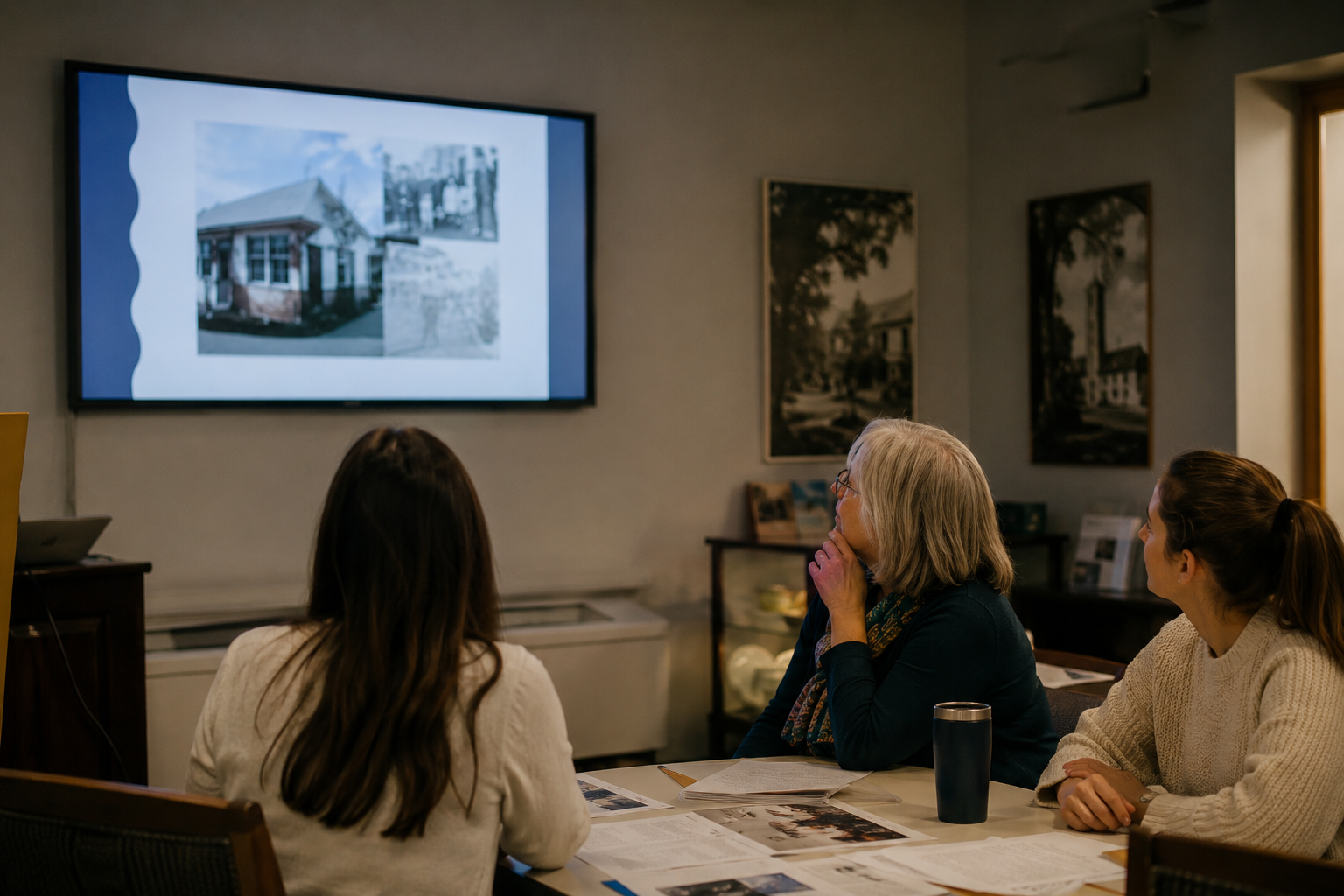
Strategic planning should not happen in isolation. Some of the best ideas often come from the people who know and care about the museum most.
Consider gathering input from:
- Board members
- Staff
- Volunteers
- Visitors
- Community partners
- Local government representatives
Their perspectives can help identify strengths, challenges, and opportunities that might otherwise be overlooked.
Set Realistic Goals
One common mistake museums make is creating a wish list rather than a strategic plan. Effective plans focus on achievable goals that can realistically be accomplished within the museum’s available resources.
Examples of strategic goals may include:
- Improving collections documentation
- Expanding educational programming
- Increasing visitation
- Strengthening volunteer recruitment
- Improving building accessibility
- Developing new exhibits
Each goal should include specific action steps, timelines, and responsible parties whenever possible.
Turn Vision into Action
A strategic plan should be more than a document that sits on a shelf. The most successful plans are regularly reviewed and used to guide daily decision-making.
Consider scheduling annual or quarterly reviews to:
- Evaluate progress
- Adjust priorities
- Celebrate accomplishments
- Identify new opportunities
Strategic planning is an ongoing process, not a one-time event.
Common Signs Your Museum Needs a Strategic Plan
If any of these situations sound familiar, it may be time to begin a planning process:
- Your museum lacks clear priorities
- Projects frequently start but rarely finish
- Board meetings focus on day-to-day issues rather than long-term goals
- Funding opportunities are difficult to pursue
- Staff and volunteers have different visions for the future
- Leadership transitions create uncertainty
A strategic plan can help bring clarity, alignment, and momentum to your organization.
Build a Stronger Future for Your Museum
Strategic planning helps museums move beyond simply maintaining operations and begin building toward a stronger future. By identifying priorities, engaging stakeholders, and creating achievable goals, small museums can position themselves for long-term sustainability and community impact.
Pro Tip: Strategic plans don’t have to be lengthy or complicated. Even a simple, practical roadmap can help your museum make better decisions and achieve meaningful progress.
Need help creating a strategic plan?
At Help for Small Museums, we specialize in helping museums develop practical, achievable strategic plans that provide clear direction for the future. Whether you’re preparing for growth, facing organizational challenges, or simply want a roadmap for the next few years, we can help. Our services include:
Strategic Planning Facilitation: Guiding boards, staff, and stakeholders through the planning process
Mission, Vision & Goals Development: Creating a clear framework for your museum’s future
Stakeholder Engagement: Gathering input from staff, volunteers, visitors, and community members
Action Plans & Implementation Strategies: Turning ideas into realistic goals, timelines, and measurable outcomes
Organizational Assessments: Evaluating strengths, challenges, opportunities, and priorities
Board & Leadership Support: Helping leadership teams align around a shared vision and direction
A strong strategic plan doesn’t just sit on a shelf. It serves as a practical tool to guide decision-making, strengthen fundraising efforts, improve operations, and position your museum for long-term success. Contact HFSM today to learn how we can help your museum plan for the future.
Join Our Community
Stay informed with the latest insights and updates in museum consulting. Subscribe now to receive expert tips and resources directly to your inbox.
Recent Comments